

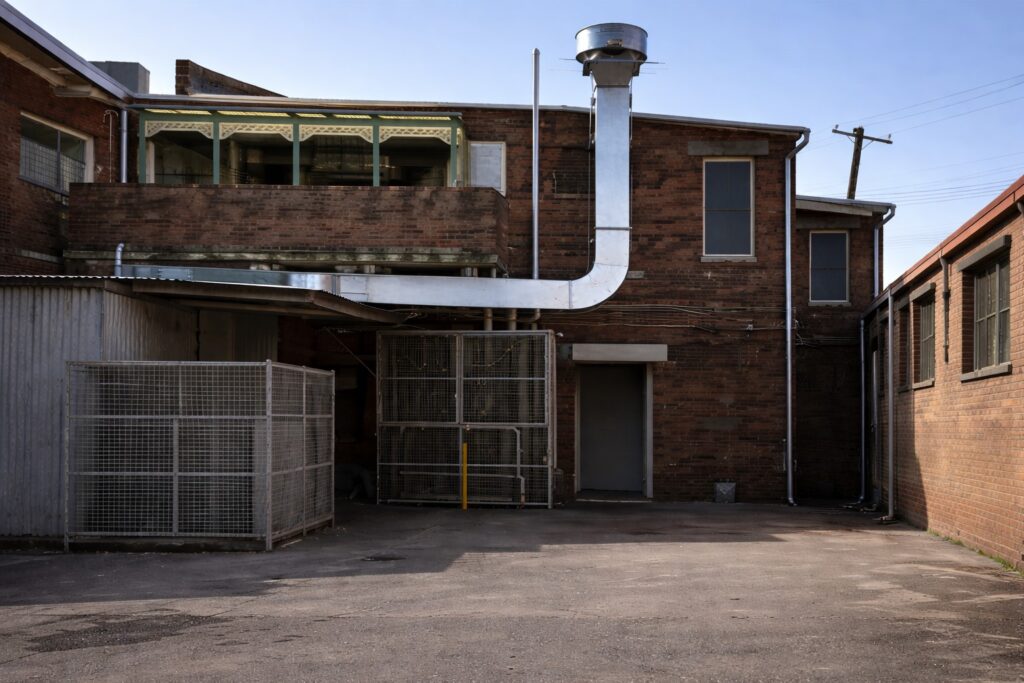
Maintaining indoor air quality has become a priority for businesses across Sydney. From offices and retail spaces to warehouses and industrial facilities, proper airflow plays a key role in health, safety, and operational efficiency. Mechanical ventilation systems Sydney are designed to regulate air circulation, remove contaminants, and ensure a comfortable indoor environment for commercial and industrial spaces.
For many organisations, understanding how these systems work and why they are necessary can help in making informed decisions about workplace infrastructure. With increasing awareness of air quality standards and compliance requirements, businesses are turning to reliable ventilation solutions to support both employees and customers.
What Are Mechanical Ventilation Systems?
Mechanical ventilation systems are engineered solutions that use fans, ducts, and filters to control airflow within a building. Unlike natural ventilation, which relies on windows or openings, these systems actively manage the intake and exhaust of air.
They are designed to remove stale air, reduce pollutants, and bring in fresh air from outside. This process helps maintain consistent air quality regardless of external conditions such as weather or building design.
Key Components of a Ventilation System
- Fans and blowers to move air efficiently
- Ductwork to distribute air across different areas
- Air filters to capture dust, allergens, and contaminants
- Control systems to regulate airflow and performance
Types of Mechanical Ventilation Systems
Different types of systems are used depending on the building size, layout, and purpose. Understanding these options can help businesses choose the right solution.
Exhaust Ventilation Systems
These systems remove indoor air and allow fresh air to enter naturally. They are commonly used in kitchens, bathrooms, and industrial settings where contaminants need to be extracted quickly.
Supply Ventilation Systems
Supply systems bring fresh air into the building while pushing stale air out through openings. They are often used in commercial spaces where consistent airflow is required.
Balanced Ventilation Systems
Balanced systems manage both incoming and outgoing air simultaneously. This ensures stable air pressure and improved air quality throughout the building.
Energy Recovery Ventilation Systems
These advanced systems transfer heat between incoming and outgoing air. They help improve energy efficiency while maintaining comfortable indoor conditions.
Why Mechanical Ventilation Matters for Businesses
Proper ventilation is not just about comfort. It plays a critical role in workplace safety, compliance, and productivity.
Improved Indoor Air Quality
Airborne pollutants such as dust, fumes, and chemicals can accumulate in enclosed spaces. Mechanical ventilation helps remove these contaminants and maintain cleaner air.
Health and Wellbeing
Good air quality supports respiratory health and reduces the risk of fatigue or discomfort among employees. This can lead to improved focus and overall workplace satisfaction.
Regulatory Compliance
Many industries must meet strict health and safety standards. Installing appropriate ventilation systems helps businesses comply with local regulations and avoid potential issues.
Temperature and Humidity Control
Ventilation systems help regulate indoor temperature and moisture levels. This is especially important in environments where equipment or materials are sensitive to changes.
The Role of Mechanical Ventilation Systems Sydney Businesses Rely On
In a growing city like Sydney, commercial spaces often operate in dense and enclosed environments. Mechanical ventilation systems Sydney businesses depend on are designed to meet these unique challenges.
From high-rise offices to busy hospitality venues, these systems ensure that indoor air remains fresh and safe. They also support operational efficiency by maintaining consistent conditions across different areas of a building.
Applications Across Different Industries
Ventilation systems are used across a wide range of industries, each with specific requirements.
Hospitality and Restaurants
Proper ventilation removes cooking fumes, smoke, and odours. This helps maintain a comfortable dining environment and meets safety standards.
Warehouses and Industrial Facilities
Industrial spaces often generate dust, heat, and airborne particles. Effective ventilation helps manage these factors and improve working conditions.
Offices and Commercial Buildings
In office settings, ventilation systems support employee wellbeing by ensuring clean and fresh air throughout the day.
Healthcare and Medical Facilities
Maintaining strict air quality standards is essential in healthcare environments. Ventilation systems help reduce the spread of airborne contaminants.
How Commercial Ventilation Sydney Supports Business Operations
Commercial ventilation Sydney solutions are tailored to meet the demands of different industries. These systems are designed to handle higher occupancy levels and more complex layouts compared to residential setups. They also integrate with other building systems such as heating and cooling to create a balanced indoor environment. This ensures that businesses can operate efficiently while maintaining comfort and safety.
Signs Your Business May Need a Ventilation Upgrade
Recognising the need for improved ventilation can prevent long term issues. Some common signs include:
- Persistent odours or stale air
- Excess humidity or condensation
- Uneven temperature distribution
- Increased dust or airborne particles
- Employee discomfort or complaints
Choosing the Right Ventilation System
Selecting the right system involves several factors. Businesses should consider:
Building Size and Layout
Larger spaces may require more complex systems with extensive ductwork and airflow management.
Industry Requirements
Different industries have specific standards that must be met for safety and compliance.
Energy Efficiency
Modern systems are designed to reduce energy consumption while maintaining performance.
Maintenance Needs
Regular maintenance ensures the system operates efficiently and extends its lifespan.
The Importance of Professional Installation and Maintenance
Proper installation is essential for the effectiveness of any ventilation system. Incorrect setup can lead to poor performance and higher energy costs. Regular maintenance is equally important. This includes cleaning filters, checking airflow, and ensuring all components are functioning correctly. A well-maintained system provides consistent results and reduces the risk of unexpected issues. King Fabrication works with businesses to design and implement ventilation solutions that align with operational needs and compliance requirements.
Future Trends in Ventilation Systems
Advancements in technology are shaping the future of ventilation systems. Some key trends include:
- Smart control systems for real time monitoring
- Energy efficient designs to reduce operational costs
- Integration with building automation systems
- Enhanced filtration for improved air quality
Conclusion
Mechanical ventilation systems play a vital role in maintaining air quality, safety, and efficiency in commercial spaces. For businesses in Sydney, investing in the right system can support compliance, improve working conditions, and enhance overall performance. Whether it is a small office or a large industrial facility, proper ventilation ensures that indoor environments remain comfortable and functional. Understanding how these systems work allows businesses to make informed decisions that benefit both employees and operations.
If you would like to learn more about ventilation solutions for your business, you can contact King Fabrication for expert guidance. To get started, contact us today and discuss the most suitable options for your commercial space.
Frequently Asked Questions
A mechanical ventilation system uses fans and ducts to control airflow within a building. It helps remove stale air and bring in fresh air to maintain indoor air quality.
Businesses need ventilation systems to improve air quality, support employee health, and meet safety regulations. They also help manage temperature and humidity levels.
Regular maintenance is recommended at least once or twice a year. This helps ensure efficient performance and reduces the risk of system issues.
Modern systems are designed to be energy efficient and can help reduce overall energy costs. Features such as energy recovery systems further improve efficiency.
Yes, ventilation systems can be tailored to meet the specific needs of different industries. This ensures optimal performance and compliance with relevant standards.