

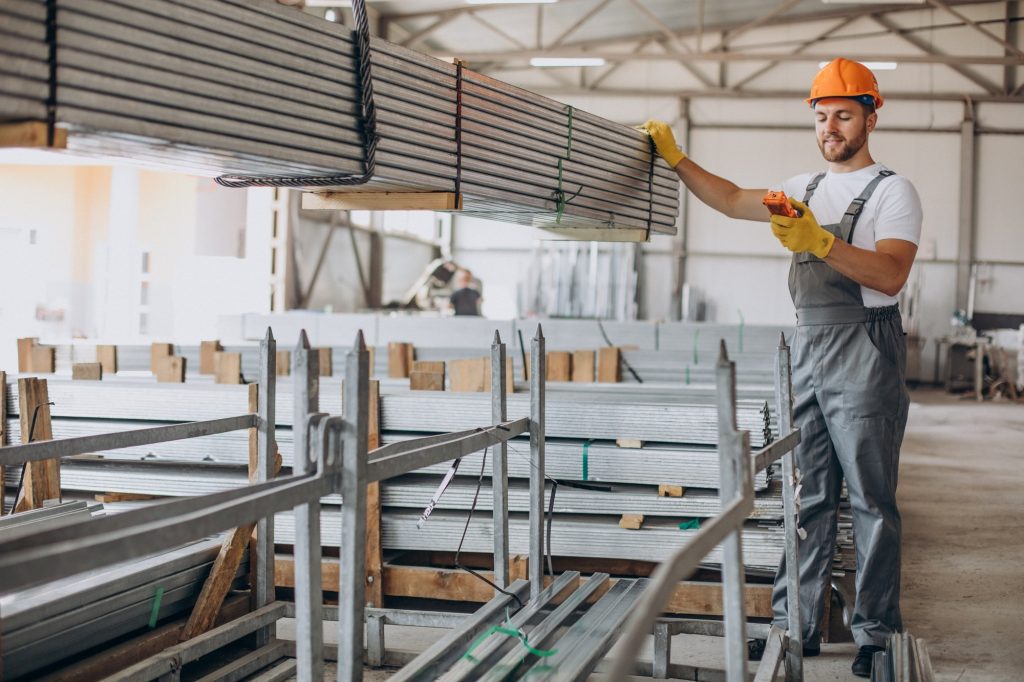
Structural steel fabrication plays a crucial role in the construction and commercial industries across Australia. From creating durable frameworks to precision components, understanding the processes involved is essential for architects, builders, and project managers. This article explores the step-by-step workings of structural steel fabrication, its applications in commercial projects, and why it remains a reliable choice for construction projects nationwide.
A trusted steel metal fabrication company like King Fabrication delivers expertly fabricated steel that meets strict project specifications and Australian standards. Understanding the processes involved in structural steel fabrication can help architects, engineers, and project managers ensure safety, efficiency, and long-lasting results in their commercial projects.
What Is Structural Steel Fabrication?
Structural steel fabrication refers to the process of cutting, bending, and assembling steel to create various structural components. Unlike standard construction materials, fabricated steel offers flexibility, strength, and durability, making it ideal for commercial projects such as office buildings, warehouses, retail spaces, and industrial facilities.
Fabricators use advanced machinery and skilled craftsmanship to produce steel components that meet precise specifications. These components are often manufactured off-site and then transported to construction locations for assembly, ensuring accuracy and efficiency in the building process.
The Key Steps in Structural Steel Fabrication
The fabrication of structural steel for commercial projects involves several stages, each critical to producing high-quality and reliable components.
1. Design and Engineering
The process begins with detailed design and engineering. Architects and engineers provide drawings and specifications, which are then analysed by fabrication experts. Using advanced software such as CAD (Computer-Aided Design), fabricators create a digital model to guide the cutting, shaping, and assembly processes.
This stage ensures that every beam, column, and steel component aligns perfectly with the architectural plans, reducing errors during installation.
2. Material Selection
Selecting the right type of steel is essential for durability and structural integrity. Common materials include carbon steel, stainless steel, and galvanized steel. The choice depends on the building’s purpose, environmental factors, and load requirements.
For example, commercial kitchens or outdoor structures may require stainless steel for corrosion resistance. For guidance on specific applications like kitchen installations, businesses can refer to commercial kitchen exhaust solutions offered by industry experts.
3. Cutting and Shaping
Once the design is finalised, steel sheets and beams are cut to size using laser cutting, plasma cutting, or waterjet methods. Precision at this stage is crucial to ensure seamless assembly.
Shaping techniques such as bending, rolling, and punching are used to create the desired forms. Sheet metal fabrication plays a key role here, especially for components that require intricate shapes or detailed finishes.
4. Welding and Assembly
Welding is a critical step in structural steel fabrication. Skilled welders join the cut and shaped steel components according to the design specifications. Depending on the project, techniques such as MIG, TIG, or arc welding may be employed.
After welding, components are assembled into larger structures or pre-fabricated sections, ready for transport to the construction site. Ensuring strong and accurate welds is essential for the safety and longevity of commercial buildings.
5. Surface Treatment and Finishing
To protect steel from corrosion and enhance its appearance, various surface treatments are applied. These may include galvanising, powder coating, or painting. For outdoor or industrial projects, surface treatment is particularly important to extend the lifespan of the steel components.
Applications of Structural Steel Fabrication in Commercial Projects
Structural steel fabrication is versatile and finds applications across various commercial sectors. Here are some key examples:
Office Buildings
High-rise office buildings rely on fabricated steel for their framework due to its strength and flexibility. Steel allows for large open spaces, which are difficult to achieve with concrete alone.
Industrial Facilities
Warehouses, factories, and manufacturing units benefit from steel fabrication for structural support, mezzanines, and safety platforms. The precision of fabrication ensures components meet load-bearing requirements and comply with building codes.
Commercial Roofing
For commercial roofing projects, fabricated steel trusses and frames offer durability and efficiency. Partnering with experienced suppliers like roofing specialists can streamline procurement and ensure the materials meet project standards.
Custom Architectural Features
Fabricated steel enables custom architectural designs, including staircases, balustrades, and decorative elements. The precision and adaptability of fabrication allow architects to implement creative solutions without compromising safety.
Advantages of Using Fabricated Steel in Commercial Projects
Choosing fabricated steel offers numerous benefits for commercial construction projects:
- Durability: Steel resists environmental damage, fire, and pests, making it ideal for long-term projects.
- Precision: Fabrication ensures components meet exact specifications, reducing installation errors.
- Efficiency: Pre-fabricated components shorten construction timelines by allowing rapid assembly on-site.
- Sustainability: Steel is recyclable, reducing the environmental impact of construction projects.
- Flexibility: Fabricated steel accommodates complex designs and large open spaces that alternative materials cannot achieve.
Safety and Compliance in Fabrication
Safety is paramount in structural steel fabrication. Fabricators must adhere to Australian Standards (AS) for steel construction and workplace safety regulations. These standards cover material quality, welding procedures, load testing, and structural integrity.
Regular inspections during fabrication and after installation ensure that commercial projects remain compliant and safe for occupants. For more information about how fabricated steel can support your commercial project, visit King Fabrication or explore their commercial kitchen exhaust solutions for specialised applications.
Working With Experienced Fabricators
Partnering with experienced fabricators can significantly impact the success of commercial projects. Companies like King Fabrication offer expertise in designing, cutting, welding, and assembling structural steel components. Their experience ensures that commercial projects are completed efficiently, safely, and in compliance with Australian standards
Innovations in Structural Steel Fabrication
Advancements in technology have transformed the fabrication industry, improving accuracy, efficiency, and sustainability:
- Laser Cutting: Enables highly precise cuts for complex shapes.
- Robotic Welding: Enhances consistency and reduces human error.
- BIM Integration: Building Information Modelling (BIM) helps coordinate design, fabrication, and on-site assembly.
- Sustainable Practices: Using recycled steel and energy-efficient machinery reduces environmental impact.
These innovations benefit commercial projects by lowering costs, improving timelines, and ensuring high-quality results.
Choosing the Right Fabrication Partner
Selecting the right fabrication partner is crucial. Consider the following factors:
- Experience: Years of experience in commercial steel fabrication.
- Capabilities: Ability to handle large-scale and complex projects.
- Compliance: Adherence to Australian building codes and safety standards.
- Customer Support: Guidance from design to installation.
King Fabrication provides a comprehensive approach, supporting businesses from project planning to completed structural assemblies.
Conclusion
Structural steel fabrication is a cornerstone of modern commercial construction in Australia. From precise design and engineering to welding, assembly, and surface finishing, each stage ensures strength, durability, and efficiency. By understanding the fabrication process, businesses can make informed decisions when planning office buildings, industrial facilities, or commercial roofing projects. Engaging experienced fabricators like King Fabrication ensures that projects are completed safely, efficiently, and to Australian standards. For enquiries or to explore fabrication services, businesses can contact King Fabrication directly.