
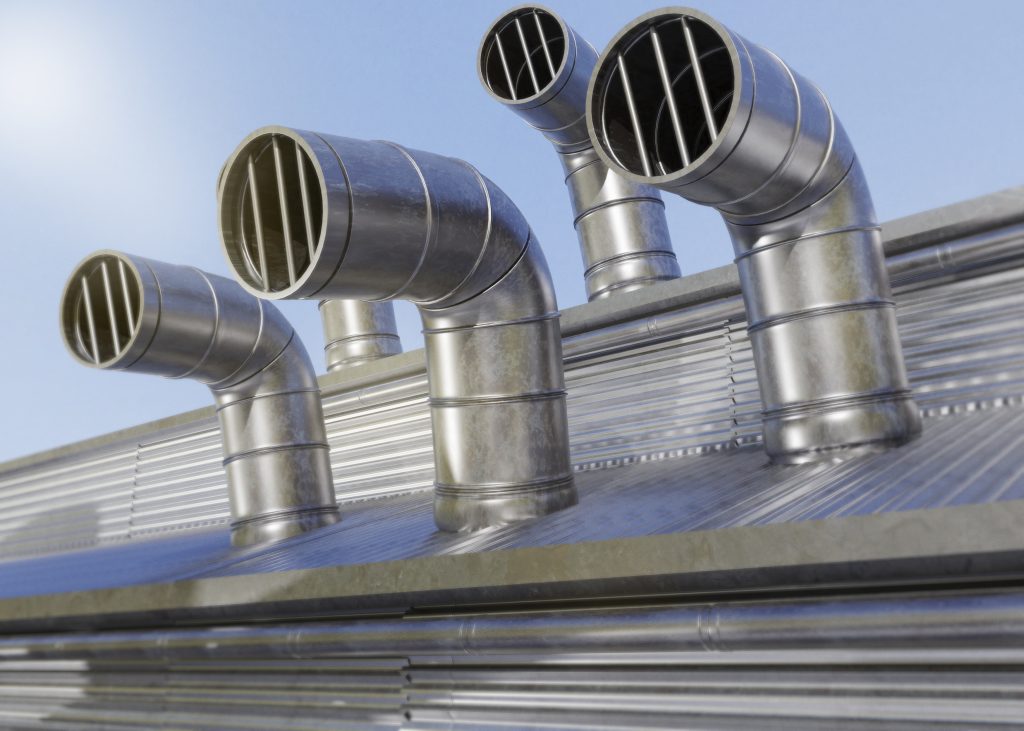
Air conditioning, heating, or ventilation depend strongly on good duct layout performance quickly declines if it’s missing. Bad metal ductwork usually leads to uneven airflow, more energy demand, noise problems, or spaces feeling uncomfortable. Duct behaviour influences HVAC efficiency, but this critical factor rarely gets attention. This shows clearly in places like Sydney, where consistent indoor conditions are necessary year-round because of regional climate trends.
What Is Sheet Metal Ducting?
The system of metal channels distributing air inside buildings goes by the name sheet metal ducting. Although these move treated airflow from heating or cooling devices into rooms, they simultaneously return it for changes. Typical substances are regular steel, rust-resistant steel, aluminium, zinc-coated variants, and certain specialised alloys. Selection depends on usage conditions, location factors, and required durability span.
Sheet metal options last longer than bendable ducts, staying rigid to keep air moving smoothly. They’re common in houses, workplaces, and industrial spaces due to their strong performance under pressure over the years.
Why Sheet Metal Ducting Matters in HVAC Systems
Air quality, system performance, and duct expenses influence one another. Damage, air restriction, and irregular distribution result from poor planning or implementation. That means heating and cooling equipment must run longer, wasting energy and degrading faster.
When sheet metal ducts are well-planned, every area gets enough airflow. As a result, the air indoors becomes cleaner, people feel more comfortable, and also energy waste drops noticeably. Effective ducts allow HVAC systems to adapt quickly to rapid weather changes in Sydney, boosting productivity without lag or additional equipment load.
Types of Sheet Metal Ducting Used in HVAC
Different types of sheet metal ducting suit various tasks. Common options include various systems for different applications. Selection depends on project needs, as each system works differently under specific conditions, so careful evaluation matters when deciding what fits best.
- Custom-made ducts shaped to fit exact air flow requirements
- Pre-made pipe sections speed up setup
- Spiral wound ducts provide durability while limiting airflow loss
- Smaller fittings, along with split sections, help form intricate designs. Connectivity is made simpler with bends and inlet closures. Components like adapters or deflectors improve flexibility when arranging systems where space varies.
Every type works differently, so selection depends on how the building is designed along with its heating and cooling needs.
The Importance of Custom Fabrication
Custom fabrication ensures ducts fit precisely while bypassing obstructions, yet adhering to design specifications. Long-lasting, efficient ductwork depends on accurate slicing, forming, joining, along protective layers.
Good build quality reduces sound levels, air movement issues while cutting upkeep needs. Staying safe and following rules means matching sector guidelines or regional building laws.
Installation and Testing Make the Difference
A faulty setup can make high-quality ducts stop working. When put in correctly, ductwork stays held firmly, closed tightly, along positioned correctly, helping air move better. It lessens escape airflow and pressure dips, two major causes of poor HVAC performance.
Check that the system works correctly after installation, checks, or review. Before activation, this phase ensures it meets standards, lasts long, and also maintains proper air distribution.
Benefits of High-Quality Sheet Metal Ducting
When done right, Sheet Metal Ducting delivers long-term value:
- Improved HVAC efficiency
- Lower energy costs
- Better air inside buildings
- Less sound, along with smoother movement
- Longer system lifespan
Such advantages work equally well in houses, offices, or factories.
Why Experience and Materials Matter
Reliable ductwork relies heavily on skilled workmanship alongside durable components. Long-lasting performance comes from using suitable steel or aluminium, combined with modern production tools. Experienced staff understand how to design air channels that support efficient flow, yet adapt to real-world building layouts.
Conclusion
The base of every HVAC setup is a proper sheet metal ducting from a suitable metal. It controls air movement, power use, and room conditions. Each step matters whether planning, building, setting up, or checking performance.
With years of experience, King Fabrication uses durable materials alongside proven techniques to deliver lasting results for sheet metal ducting. For Sydney locals aiming to improve climate control systems, we provide reliable ductwork options built on practical expertise.