
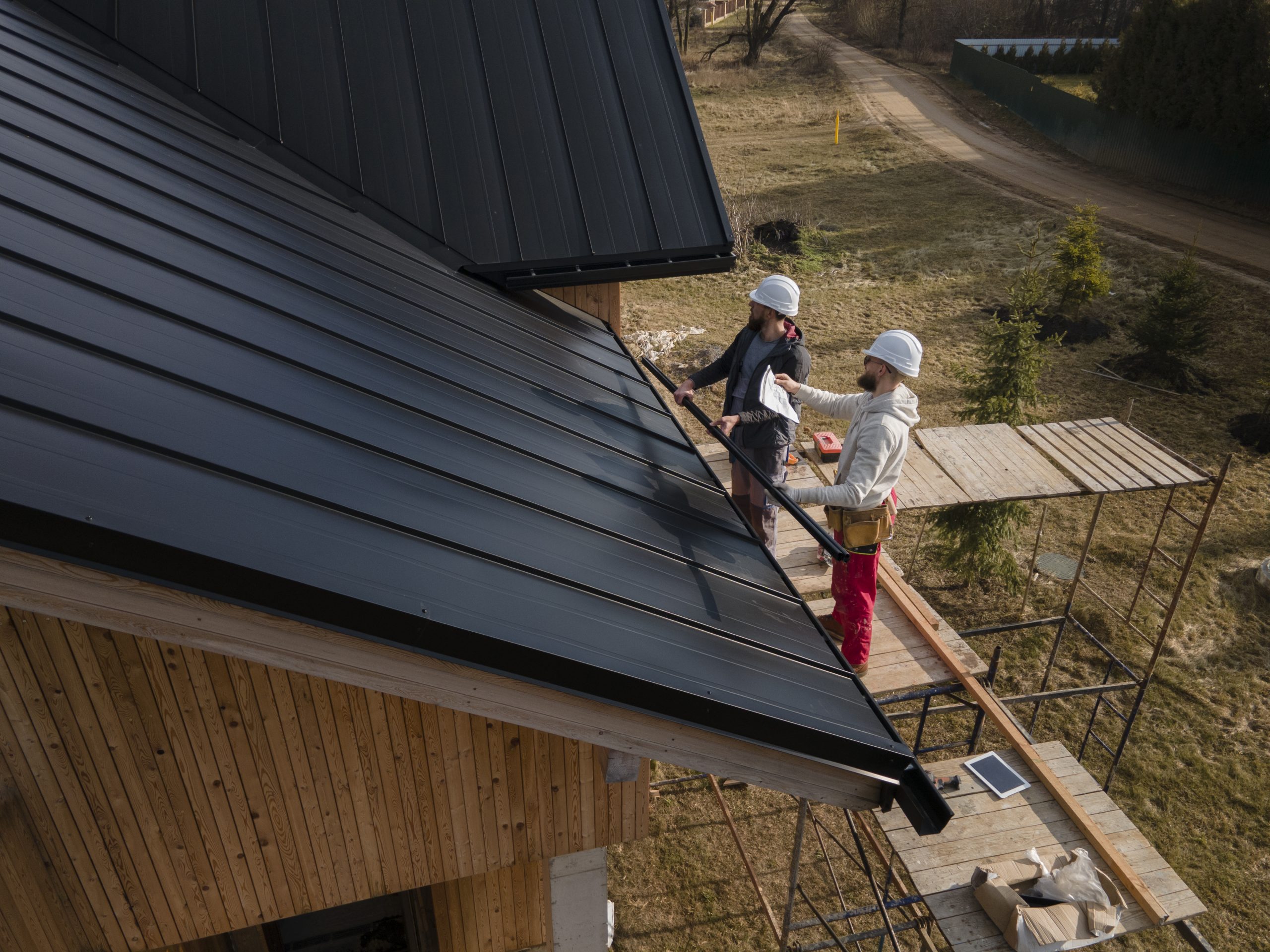
In coastal Sydney, constant moisture combines with intense sun, heavy rainfall, and also strong winds. These adverse weather conditions have a significant impact on your roof. Over time, these forces build up, frequently without warning. This leads to the condition of roof replacement. If we talk about perfect help, there are major benefits of hiring a Roofing supplier in Sydney. Here are the 6 important signs mentioned for it:
1. Sagging Roof Sections
A clean roof slope may indicate a covered issue. Beams or frames may have broken if the top bends down. Wet conditions can damage these parts. Deterioration, termites, and moisture can progressively break them apart.
Sagging roofs often indicate structural risk, so get help promptly if you observe it during a roofing or attic inspection. When invisible dampness enters Sydney timber homes, the risks increase.
2. Water Stains or Leaks Inside
Walls, ceilings, and painted surfaces may let moisture into a roof. Heavy rain in Sydney could leak under tiles, especially through metal roof holes, if flashings or insulation fail.
Weathered roofs cause more than rain leaks. Mould, moist insulation, and decaying wood can hide above ceiling panels through a small gap. The exterior may have multiple issues before indicators appear. Over time, replacing the roof is better than fixing broken areas.
3. Missing, Cracked, or Curling Tiles and Shingles
Sunlight, storms, and strong winds damage rooftop coverings. Examine the exterior layer for cracks, warping, and fractures. It can be easily fixed by a roofing supplier in Sydney. Metal constructions should be checked for seams that fall apart, components that twist, or rust that emerges. Water can enter the building due to such concerns.
Sydney’s strong sunlight deteriorates roofs quickly. Single broken tiles can be changed, but widespread damage indicates older setups. When degradation is severe, fixing parts costs more than replacing the roof.
4. Grit and Granules in Gutters
Gritty drainage may indicate a problem if your roof has asphalt shingles. The small granules progressively establish a barrier against the sun and rain, but their absence indicates aging. Storms rinse off the strips, exposing them to UV radiation and accelerating disintegration.
Metal and tile from a neighbouring roofer are more common in Sydney than asphalt shingles, but granules can wear off. Check your gutters after bad weather. If the roof’s outer layer has many loose granules, it may soon fail.
5. Daylight Showing Through the Attic
A simple roof inspection entails accessing the attic during the day with the lights off. Sunlight entering cracks or between timber panels shows degradation, hence compromising rain and wind protection. When light enters, weatherproofing decreases.
Light indicates openness. Moisture can infiltrate open spaces through insects and airflow. Despite no leakage, overhead structural weakness is possible. These openings indicate roof deterioration. Fixing individual patches is less effective than replacing the entire roof when multiple issues appear.
6. Moss, Algae, or Fungi Growth
The wet air and seashore weather of Sydney often cause rooftop moss and algae. However, widespread patches, especially black streaks, go beyond appearances. The organisms hold moisture, which can push up roof tiles or split metal roofing joints, accelerating deterioration.
Though slight at first, top-layer accumulation weakens the base layers, undermining parts of the roof. Occasionally, cleaning helps, but if moss or algae return in significant proportions, the roofing may no longer repel moisture. Replacing the system becomes smarter than patching.
The Sydney Roofing Context
Local suppliers offer Sydney residents high-quality goods. Instead of basic materials, roofing businesses sell Colorbond® plates, perforated steel, and zincalume panels. Insulation saves energy, skylights offer light, and flashings protect gutters. Fasteners secure every part. These parts provide durable roofing systems that meet local weather and code requirements. Roofers and builders in Western Sydney and Greater Sydney use such goods. The roof supplier favours reputable sources on the Central Coast and adjacent districts.
Waiting for roof troubles helps. Delayed problems become major safety hazards in warm, stormy regions. New roofs prevent water damage, improve heating and cooling, protect insulation, and increase property value. Local professionals provide weatherproof covers for Sydney. Steel roofs with Colorbond® technology reduce heat gain, resist corrosion, balance internal climate, and last longer.
Conclusion
Sydney roofs protect against weather damage, and a good roofing supplier can extend their lifespan. Replacement of roofs over 20 years old may save time and money before major issues arise.
King Fabrication can assist Sydney homeowners in choosing materials, provide accurate advice, and decide if a new roof is needed. Job-specific evaluations are provided by the roofing supplier. Some people delay, but an experienced inspection frequently reveals details that simplify future decisions.